Request an Appointment or Give us a call
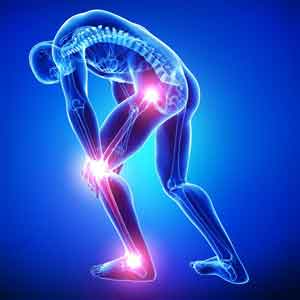
What is Joint Pain?
Joint pain is a discomfort arising out of any tissues within your joint including ligaments, cartilage, bone, muscles, or tendons.
What are the Causes of Joint Pain?
Some of the common causes of joint pain include:
- Muscle and joint overuse
- Muscle and joint tension
- Muscle and joint injury
- Muscle and joint infection
- Muscle and joint inflammation
- Muscle and joint sprains and strains
What Types of Medical Conditions Can Cause Joint Pain?
Some of the common conditions associated with joint pain include:- Bacterial and viral infections
- Autoimmune disorders such as polymyositis, dermatomyositis, or lupus
- Use of medications such as ACE inhibitors or statins
- Fibromyalgia
- Hypokalaemia
- Hyperthyroidism or hypothyroidism
- Osteoporosis
- Chondromalacia
- Gout
- Tendinitis
- Infectious diseases such as influenza, mumps, or hepatitis
- Arthritis such as rheumatoid arthritis and osteoarthritis
- Lyme disease
- Polymyalgia rheumatica
What are the Symptoms Commonly Associated with Joint Pain?
Symptoms that can be associated with joint pain include:
- Swelling
- Redness
- Tenderness
- Warm to touch
- Persistent pain
How is the Underlying Cause of Your Joint Pain Diagnosed?
Your doctor will review your symptoms and medical history and perform a physical examination. If necessary your doctor will order certain diagnostic tests like X-rays to identify arthritis-specific joint damage, blood tests to screen for certain autoimmune diseases, complete blood count, sedimentation rate test to estimate the level of inflammation in the body, and other tests to narrow down the potential causes of joint pain.
How is Joint Pain Treated?
Some of the measures that can be employed to treat joint pain include:
- Using medications such as topical pain relievers and oral anti-inflammatory drugs
- Application of heat and ice on the affected area
- Adequate resting of the affected area
- Strengthening muscle function and maintaining good range of motion with a regular exercise regimen
- Maintaining a proper body weight
- Engaging in stress-relieving activities such as meditation and yoga
- Lifestyle changes
When Should You Consult a Doctor for Joint Pain?
Most cases of joint pain are rarely an emergency and can be successfully treated at home. Nevertheless, some of the signs and symptoms that should prompt you to see your doctor include:
- Severe pain without a clear cause
- Pain that is accompanied with an elevated temperature
- Pain that is accompanied with a rash
- Pain that is accompanied with redness or swelling
- Pain that does not resolve despite several days of home treatment
- Pain that manifests after a tick bite
For more information about our services or to schedule an appointment, call us at / or request an appointment online. We’ll respond to you as soon as possible.