Request an Appointment or Give us a call
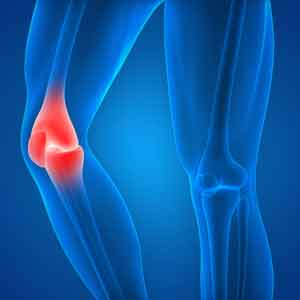
What is MISHA™ Knee System?
The MISHA™ (minimally invasive subchondral hemi-arthroplasty) Knee System, also known as an implantable shock absorber (ISA), is a relatively new joint-preserving implant designed as an alternative to total knee replacement for patients with medial knee osteoarthritis (OA).
Knee osteoarthritis (OA) is a degenerative joint disease that occurs when the cartilage in the knee joint gradually wears away. Cartilage is a smooth, slippery tissue that cushions the ends of bones and helps the joint move smoothly. As it deteriorates, the bones may begin to rub against each other, leading to pain, swelling, stiffness, and reduced mobility. Knee osteoarthritis primarily affects older adults but can occur in younger individuals as well.
Total knee replacement is a surgical procedure in which all three compartments of the knee joint - the medial (inner), lateral (outer), and patellofemoral (front) compartments - are replaced with a prosthetic implant.
The MISHA™ knee system is a shock-absorbing implant placed alongside the knee joint. It functions like a “load-sharing spring,” absorbing excess force and reducing stress on the damaged cartilage. Instead of cutting away bone or replacing the joint, this system works by offloading pressure from the knee to relieve pain and improve mobility.
What are the Indications for the MISHA™ Knee System?
The MISHA™ Knee System is typically indicated for patients with:
- Medial compartment knee osteoarthritis (inner side of the knee).
- Kellgren–Lawrence grade I–IV OA (from mild to advanced, but not end-stage across the whole joint).
- Persistent pain and disability despite at least 6 months of conservative treatment (e.g., physical therapy, medications, injections, bracing).
- Patients who want to delay or avoid total knee replacement while keeping their natural joint.
What Does the Procedure for the MISHA™ Knee System Involve?
The MISHA™ knee system procedure is designed to be minimally invasive and joint-preserving, acting as a bridge between conservative treatments (like injections or braces) and knee replacement surgery. The procedure is usually done under regional or general anesthesia and typically involves the following steps:
- The patient lies on the operating table, with the leg positioned for surgical access to the inner (medial) side of the knee.
- A small incision is made on the inner side of the knee.
- Unlike a knee replacement, no cartilage or bone is removed from the joint.
- The implant is placed outside the joint capsule, alongside the femur and tibia.
- The MISHA device (a spring-loaded shock absorber) is fixed with bone anchors; one anchor attaches to the femur (thigh bone) and the other attaches to the tibia (shin bone).
- The surgeon ensures that the implant moves smoothly with knee motion and properly unloads the medial compartment. It is carefully adjusted to absorb about 30% of the load during weight-bearing.
- The incision is closed with sutures or staples, and a dressing is applied.
What Does Postoperative Care for the MISHA™ Knee System Involve?
After the MISHA™ knee system procedure, most patients go home the same day since it is minimally invasive and does not involve cutting bone or removing cartilage. Walking is usually possible right away, often with support for a short period, and many patients regain full weight-bearing within a week or two. Mild swelling, stiffness, or soreness around the incision site is common but generally improves quickly with rest, ice, and prescribed physical therapy. Recovery tends to be faster than traditional knee surgeries, allowing patients to return to normal daily activities within weeks. Over time, the implant reduces pressure on the inner knee, easing pain and improving function while preserving the joint for future treatment options if needed.
What are the Risks and Complications of the MISHA™ Knee System?
The MISHA™ knee system procedure is generally considered safe, but like any surgery, it carries potential risks and complications. These may include:
- Infection
- Bleeding
- Blood clots
- Wound healing problems
- Implant loosening or failure
- Persistent pain or stiffness
- Nerve or vessel injury
- Allergic reaction to materials
- Possible need for further surgery, such as implant removal or knee replacement
What are the Benefits of the MISHA™ Knee System?
Benefits of the MISHA™ knee system procedure include the following:
- Pain relief
- Improved mobility and function
- Preservation of natural knee anatomy (no bone cuts)
- Minimally invasive with quicker recovery
- Reversible procedure (implant can be removed)
- Delays or avoids total knee replacement
For more information about our services or to schedule an appointment, call us at / or request an appointment online. We’ll respond to you as soon as possible.